














-
Coding Agents for Reporting and Incident Investigation
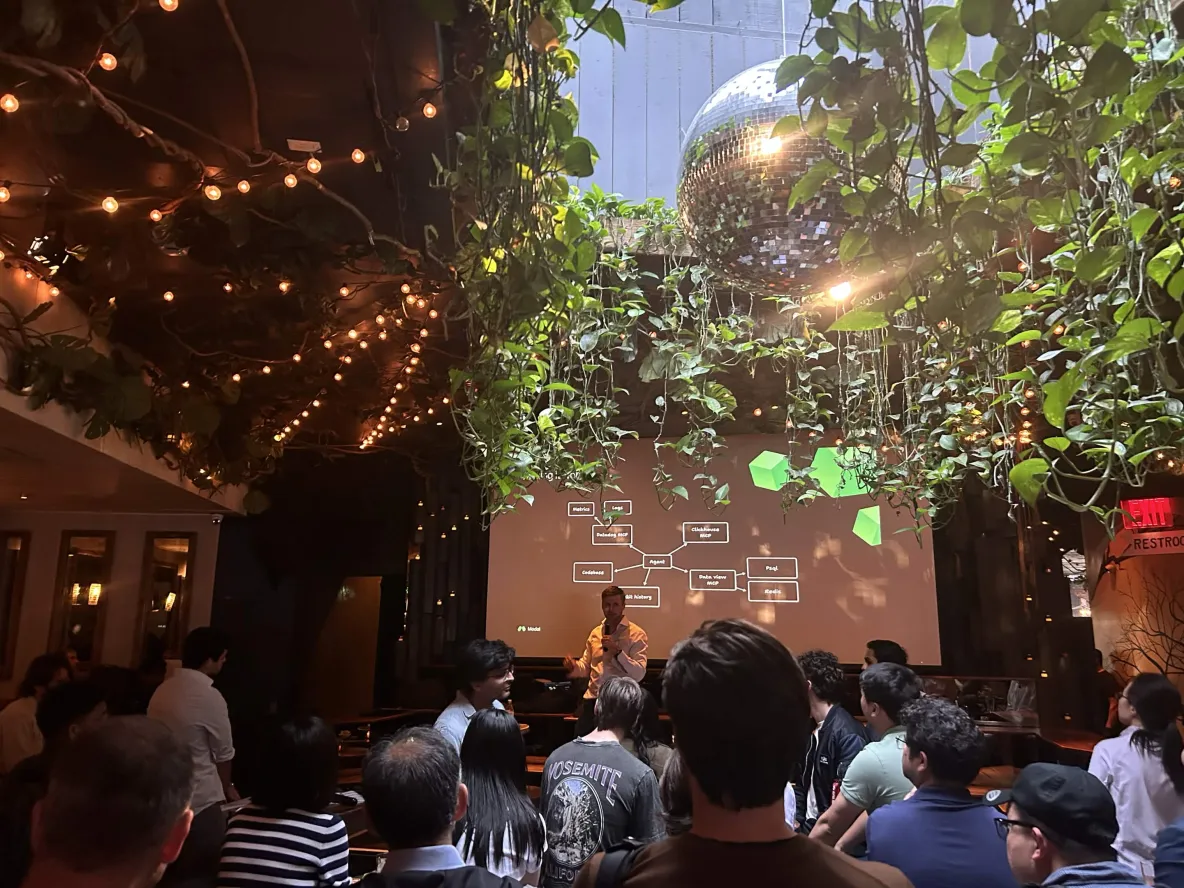
Paul is the engineering lead on sandboxes at Modal, and an avid user of agents. Because he’s working on sandboxes, Paul spends a lot of time debugging interesting and strange low level problems. His presentation is on how to use agents for more than just writing code.
-
Stop Renting Your Developer
Vargas is the founding engineer at Vellum, one of the geniuses behind the Vellum Personal Assistant. After leaving MIT, Vargas spent the last 6 years figuring out how to get AI to do all the boring things that everyone hates to do. He was early to agents, and has spent a bunch of time thinking about how coding agents fundamentally change tech orgs.
-
Control Plane for Agent Memory
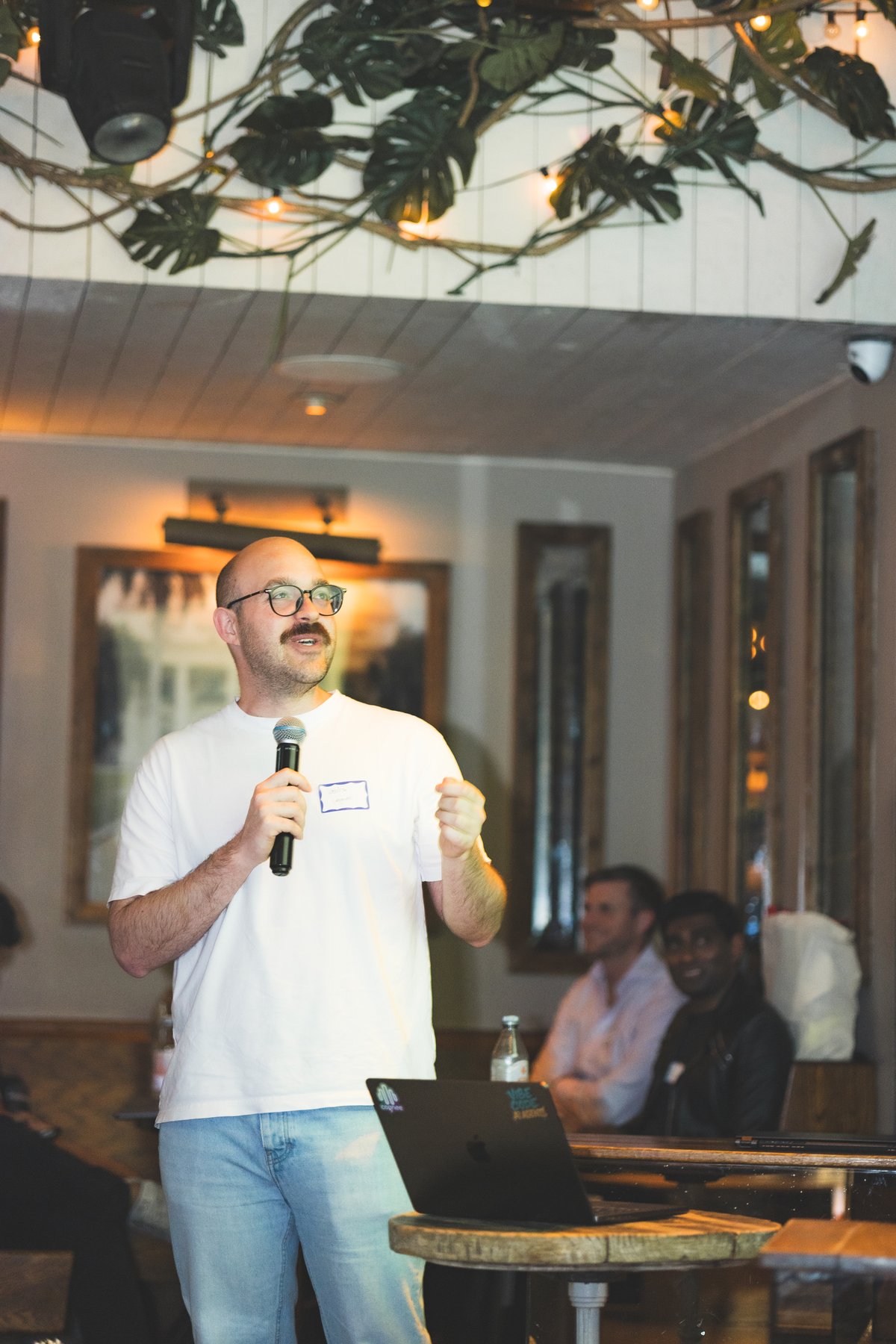
Vas is the CEO of Cognee and an industry expert in long term agent memory, coming to present from Berlin. He’s spent the last two years thinking about how to build agents that continuously learn, so that conversations actually compound learning and you aren’t starting from scratch every time.
-
Scaling Autonomy Without Sacrificing Quality
Rohan was the head of agent development at CitSec — he led the development of their internal agent harness, and recently started working on simulated environments for coding agents. Can we avoid the trade-off between agent autonomy and long-term code health? Rohan presents on things you can do to make your agents more effective without keeping them on a tight leash.
-
Your Agent is Fast, Your Verification Loop Isn't
Cliff is the CTO and cofounder of Nori, and is the chief architect behind their stripe-minions-as-a-service tooling. Background agents are hard to build — they require many machines talking to each other, weird third party integrations, and poorly documented agent protocols. Cliff presents on verification debt and strategies for reducing agent slop in large codebases.
-
Agents as Topology, Not Tools
Davy is the head of agentic dev tools at Windborne, a company that launches weather balloons to get high-atmosphere data. Windborne has an industry leading agent setup — their internal agent Shodan joins Slack discussions, makes product decisions, runs investigations, and generally acts like a superpowered senior engineer. Davy walks us through what makes Shodan work so well.